


 Anesthesiology - Dr. Gayatri Kumari - MD, FCCM, MCCM


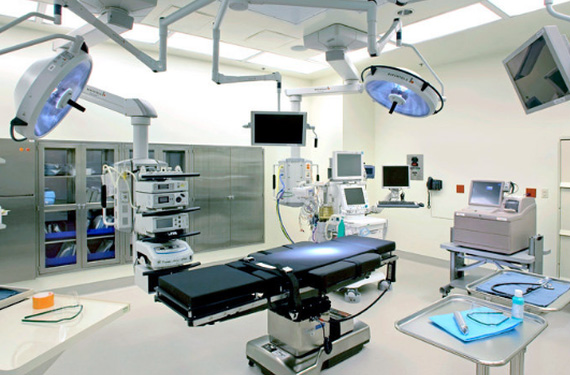
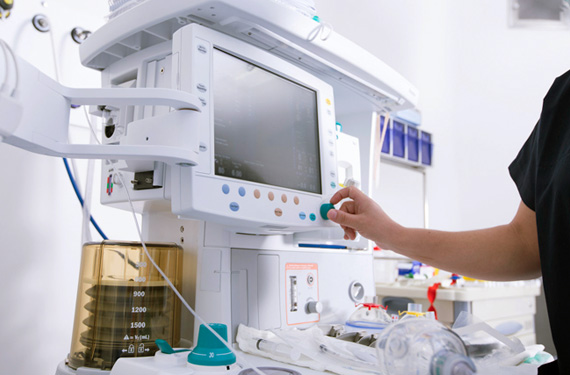
Physician Anesthesiologists provides following forms of Anaesthetic Care:
- General Anesthesia
- Monitored Anaesthesia or Intravenous Sedation
- Regional Anesthesia
- Local Anaesthetic
Anesthesiology is a vital part of medicine to ensures that surgery is safe, practicable and possible. Airway management and resuscitation, which are fundamental components of anesthesiology training, are life-saving techniques that are required for any surgical procedure. There is no other field of medicine that has a better understanding and training in important organ management than anesthesiology.
Dr. Gayatri Kumari - MD, FCCM, MCCM
Anesthesiologist - Responsibilities
LifeLine Hospital and Research Centre - Azamgarh
 Before Surgery
In the days or weeks leading up to your surgery, your physician anesthesiologist will ensure you are fit for surgery and prepare you for the procedure by asking extensive questions about your health, evaluating you, and reviewing tests. Your physician anesthesiologist will answer any questions you have about the procedure and anaesthesia. Make sure your physician anesthesiologist is aware of any medical issues you have, such as heart disease, diabetes, or asthma; what drugs you are taking (prescription, over-the-counter, and herbal supplements); and whether you have had previous problems or concerns with anaesthesia.
During Surgery
The physician anesthesiologist helps manage pain and closely monitors your anaesthetic and your vitals, either alone or with the assistance of an Anesthesia Care Team. Your physician anesthesiologist will manage any medical issues that arise during surgery, as well as any chronic disorders you may have, such as asthma, diabetes, high blood pressure, and heart difficulties.
Following Surgery
The physician anesthesiologist supervises those who will care for you and monitor your recovery - your breathing, circulation, consciousness, and amount of oxygen - and is instantly available if you have any questions or concerns. The medical anesthesiologist is the one who makes the call about the recovery of the patient from anaesthesia and they see if the patient can be moved to a regular hospital room or the intensive care unit. After you leave the hospital, the physician anesthesiologist will design a recovery plan for you and maybe engage in pain management.
Treating Chronic Pain
Physician anesthesiologists specialize in pain management, and some limit their practice to patients suffering from chronic pain. If you have persistent pain, such as migraine headaches, back pain, or pain due to a disorder such as fibromyalgia, speak with your doctor about referring you to a physician anesthesiologist who specializes in treating chronic pain.
 Dr. Gayatri Kumari - MD, FCCM, MCCM - Work profile and Experience
- Head Anesthesia and Critical Care, LLHRC, Azamgarh
- Infection Control Officer, LLHRC, Azamgarh
- Ex Assistant Professor, Department of Anesthesia, GMC, Azamgarh
- Apart from the General and Regional Anesthesia, having 14 yrs experience in Neuro-anesthesia since Sept 2009
- with >4500 cases of Neurosurgery, including Brain Mapping, Seizure, Awake Craniotomy, etc.
- 14 yrs experience in the various modality of critical care management since Sept 2009
- Pain Management in PREOP, POSTOP and Trauma Patients
- ACCC Instructor
- ACLS Provider
Anesthesiology Facilities:
- Dedicated new generation Anesthesia workstations & monitors
- Ultrasound for use in CVP placement and nerve blocks
- Neuro muscular monitors Nerve locators
- Difficult Airway Management